
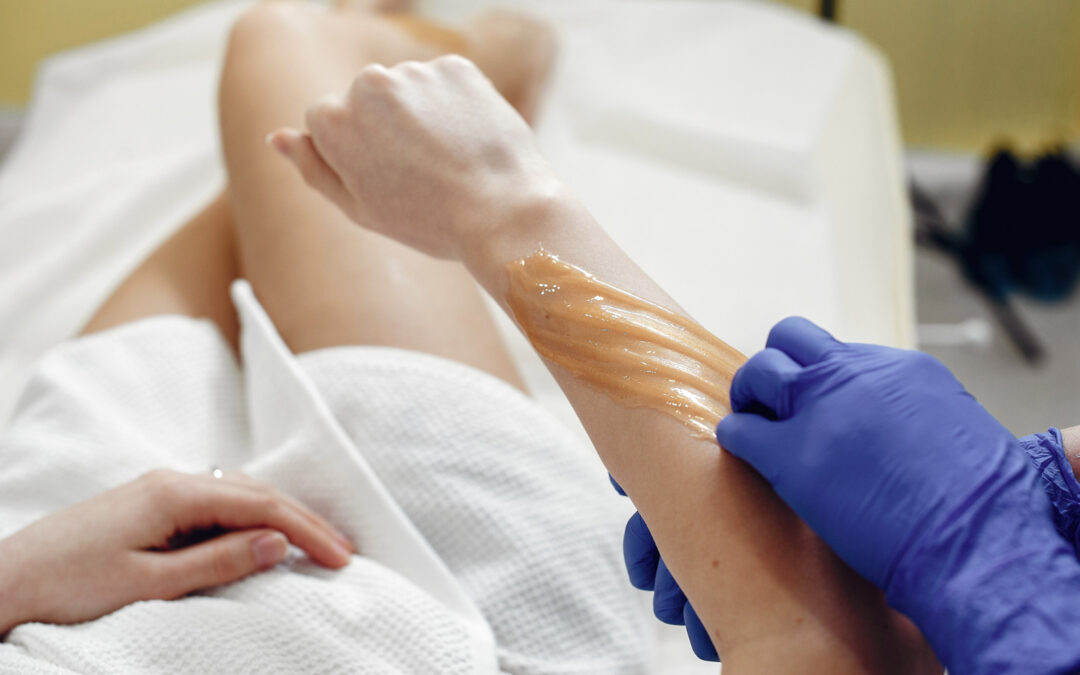
Sugar waxing has grown in popularity with people who want a gentler way to remove unwanted hair. It’s made from just a few natural ingredients, and many say it feels less harsh on the skin than other options. As more people look for something that’s both safe and effective, they start comparing sugar waxing to traditional waxing to see what might fit their needs better.
There’s often confusion about what sets these two methods apart. Some want to know which one hurts less, others care about what is in the product, and many just want something simple to care for after. Knowing these differences can make the decision smoother, especially if you have had reactions to standard waxing before or just want to take better care of your skin.
What Is Sugar Waxing?
Sugar wax is made with sugar, lemon juice, and water. That’s it. When heated gently, this mix creates a thick paste that can grab hair without sticking to the skin the same way traditional wax does.
Rather than tearing at the skin, sugar wax wraps around each hair and pulls it out in the direction it grows. This often feels less painful and results in less breakage. Since it doesn’t harden or dry out, it stays soft and flexible while it’s being used, kind of like honey. That flexibility allows the paste to be smoothed onto the skin several times during the process without causing much irritation.
We’ve found that people with sensitive or dry skin tend to prefer this method. Those dealing with redness, bumps, or ingrown hairs after waxing may notice sugar waxing leaves their skin calmer and smoother by comparison. It is not only about the ingredients. The application itself is different in a way that makes a real difference for many people.
If you visit Sugar Sugar St Johns, you’ll find our sugar waxing is performed using vegan, natural formulas, always free of parabens and artificial fragrances. Our spa emphasizes gentle skincare, so we focus on providing options that reduce irritation and make appointments more comfortable for clients with sensitive skin.
Traditional Waxing Basics and What to Expect
Traditional wax uses resin or beeswax along with oils, dyes, or other added ingredients. It is heated until it becomes soft and is then applied to the skin. Once it cools, it is quickly pulled off, taking the hair with it. Waxing can be done with strips (called soft wax) or without strips (hard wax), depending on the area of the body being treated.
This method sticks to both the hair and the skin. That’s one big reason why it may feel more intense during removal. It often works well on thicker hair or larger patches, like legs or back, but some may experience redness or small bumps right afterward. Hot wax can also open up the pores more, which may lead to sensitivity, especially if your skin is dry or tends to flare up.
With repeated use, waxing can help hair grow back softer. For anyone who has had bad reactions or breakouts, the stickiness and temperature involved in traditional waxing can be a concern.
Key Differences Between the Two
The ingredients, temperature, and how they interact with the skin are all areas where these two treatments differ.
• Sugar wax is made with just sugar, water, and lemon. Traditional wax has more ingredients, and some may not be gentle on sensitive skin.
• Sugar wax is used at room temperature or warmed slightly. Traditional wax is usually heated and can feel hot on the skin.
• Sugar wax sticks only to hair, not live skin. Traditional wax pulls on both, making it feel more abrasive for some people.
The pain level often depends on your skin’s sensitivity and how the hair is removed. Pulling in the direction of hair growth (like with sugar waxing) usually feels smoother and causes less irritation. Traditional waxing removes hair in the opposite direction, which can be more jarring and sometimes leads to redness or tenderness.
As for how long the results last, both can give smooth skin for around three to four weeks. Regrowth timelines may vary for each person, but many find sugar waxing helps keep skin clearer between visits.
Choosing Based on Skin Type and Sensitivity
Every skin type reacts differently, and past experiences often shape what people are comfortable with. If your skin tends to break out or feel sore after treatment, it’s better to pick something gentle that works with your conditions instead of against them.
Here’s what to think about:
• Sensitive or allergy-prone skin may respond better to sugar waxing because of the simpler ingredients.
• If you deal with ingrown hairs, sugar waxing might help since it removes hair in the way it naturally grows.
• For oily or acne-prone skin, the absence of extra waxes or heavy oils can help prevent clogged pores.
Comfort after treatment matters just as much as the process itself. If you’re walking out of an appointment red or itching, it can be hard to enjoy the results. Sugar waxing tends to leave skin feeling soft without rawness, so it’s easier to move on with your day without worrying about irritation under your jeans or leggings.
If you are undecided about which process is right for you, take stock of how your skin reacts after previous hair removal sessions. Some people notice that certain ingredients trigger irritation while others find heat is the main factor. In that case, sugar waxing, because it uses lower temperatures and gentle formulas, may offer extra comfort. Listening to your skin’s signals over time makes it easier to settle on a routine that leaves you feeling and looking your best.
Timing Your Appointment in Florida’s Winter Climate
December in Florida brings cooler air, drier breezes, and sometimes a few cloudy days. While we don’t deal with snow here, we do still feel seasonal changes in our skin. Lower moisture levels can make the skin more sensitive, especially after hair removal.
With more clothes and thicker fabrics rubbing against the skin, it is important to choose a method that does not leave you sore or tender. Sugar waxing works well in cooler months since it does not heat the skin or stay sticky after application. There is less drying out and fewer reactions with tight clothing or layers.
Many people in Florida still plan holiday gatherings outdoors or head to the beach over winter break. Smooth skin might help you feel more comfortable in that dress or swimsuit without worrying about redness or sensitive spots. Planning ahead for events means giving your skin a few days to settle, whether you sugar or wax.
If you know you have an event coming up, try to schedule your waxing or sugaring appointment a few days in advance. This gives your skin time to calm down and lets any initial redness fade before you need to show off smooth arms or legs. If your routine involves winter sports or more time outdoors, being aware of the effects of wind and cooler temperatures on freshly waxed skin can help you decide on the best timing and aftercare.
Finding What Works Best for Your Skin
Sugar waxing and traditional waxing are both effective ways to manage hair removal, but they offer different experiences. Sugar waxing may be the better choice for those who want something simple, less hot, and gentler on the skin. Traditional waxing might be preferred for treating thicker hair or for people who do not mind some discomfort to get the job done quickly.
At the end of the day, it all comes down to what works best for you. Your skin deserves a method that feels good during and after treatment. Whether you are getting ready for a holiday trip or just keeping up a routine, it helps to look at how your skin reacts and what leaves you feeling most comfortable long after the appointment.
Being informed and paying attention makes choosing your method easier. Over time, you might discover that one type suits certain areas of your body better or that you prefer the process of one over the other. Whichever you choose, keeping the focus on your own comfort and skin health is what matters most for lasting results.
Waxing Your Way to Comfort
Exploring new methods for smoother skin can make a big difference in your comfort and confidence. Many people notice that gentle ingredients and less heat lead to better results. Whether you have a special event coming up or simply want to maintain your self-care routine, our approach to sugar waxing is designed with skin health as the priority. At Sugar Sugar St Johns, we take the time to understand what works best for you. Give us a call so we can help plan your next visit.