
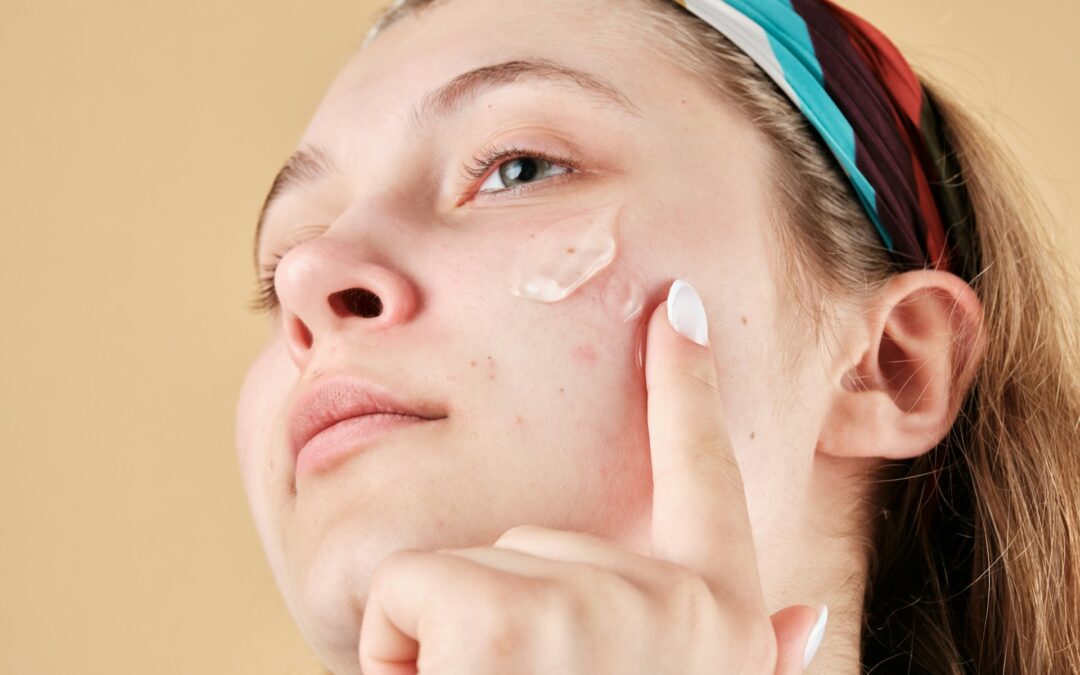
Getting a facial treatment can feel like a fresh start for your skin. But sometimes, instead of feeling soft and hydrated afterward, your skin might feel tight, dry, or flaky. This isn’t always a sign that something went wrong. In many cases, it’s simply your skin adjusting to deep cleansing or exfoliation that happened during the treatment. Still, when your face doesn’t feel its best after taking the time to care for it, it can be frustrating.
Dry skin after a facial isn’t unusual, especially during cooler months like November when humidity drops and indoor heating kicks in. There could be multiple reasons behind it, from skin type to the kind of treatment you received. The good news is, with the right care, dryness can be fixed quickly. Learning what causes dry patches or tightness after a facial, and knowing how to treat it, can help keep your skin balanced and glowing all year long.
Understanding Dry Skin Post-Facial Treatments
Facials are meant to improve skin health, but depending on your skin type or what kind of treatment you choose, you might leave with unexpected dryness. That dry, tight feeling often comes from a loss of moisture during processes like exfoliation, deep cleansing, or extractions. These steps remove buildup on the surface but may also strip your skin of oils that help keep it soft and hydrated.
Here are a few common reasons dryness can show up after a facial:
– Skin barrier disruption: Intensive exfoliation or scrubbing can weaken your skin’s natural barrier, which makes it harder to hold onto moisture.
– Over-cleansing: Some facial treatments use strong cleansers or clay masks that pull out oil along with dirt. While this leaves your pores clean, it might leave the surface of your skin thirsty.
– Use of strong products: Ingredients like acids or enzymes are effective in removing dead skin but can also be drying, especially if your skin is sensitive or already dehydrated.
– Seasonal changes: Treatments during cooler weather tend to make dry skin worse, especially if you’re going from heated rooms to chilly air outdoors.
– Not moisturizing afterward: If you forget to apply a rich moisturizer after your facial, skin can lose moisture quickly and begin to flake.
Some signs that your skin may be experiencing dryness after a facial include tightness, flaking, redness, or even itchiness. If your skin feels rough to the touch or looks dull rather than glowing, it may be lacking hydration. An example? Imagine treating yourself to a facial before a weekend event, but by the next morning, your cheeks feel tight and your makeup doesn’t sit smoothly on your skin. That’s dryness creeping in.
Knowing these causes and watching for early signs can help you take quicker action. It also makes it easier to plan your future facials around your needs and skin condition instead of always reacting to how your skin feels after.
Recommended Home Care Practices
Once you notice dryness setting in, acting quickly can make a big difference. The way you treat your skin at home after a facial has a huge impact on how well it heals and stays hydrated. Adding or adjusting just a few steps in your post-facial skincare routine can help your skin bounce back fast.
Here are some easy and gentle things you can do at home to care for dry skin after a treatment:
1. Use a mild, non-foaming cleanser
Stick to fragrance-free, soap-free cleansers that won’t irritate your face. Avoid anything that creates a thick lather or leaves your skin tight after washing.
2. Pat, don’t rub your face
When drying off, use a clean, soft towel and pat gently. Rubbing can cause micro-tears and worsen redness or flaking.
3. Apply a rich moisturizer right after washing
Use a cream, not just a lotion. Look for products with ingredients like hyaluronic acid, aloe vera, or ceramides that help restore moisture without clogging pores.
4. Skip active ingredients for a few days
Put retinol, AHAs, and vitamin C serums on hold until your skin is feeling normal again. These can irritate dry or sensitized skin fresh from a facial.
5. Stay hydrated
Drinking enough water daily helps your skin stay balanced from within. Still, water isn’t a cure for dryness, so focus on moisture-rich products too.
6. Use a humidifier at night
If the air in your home is dry, especially in the fall or winter, a small humidifier near your bed can help keep your skin from drying out overnight.
It’s all about supporting your skin’s ability to heal and rehydrate naturally. The steps don’t need to be complicated or expensive. Just staying consistent makes all the difference as your skin adjusts to the deep cleanse and resets its balance.
Effective In-Clinic Solutions
Sometimes home care alone doesn’t do the trick, especially if the dryness feels stubborn or keeps coming back after every facial. Professional treatments are built to dig deeper in a safe way. They not only support your skin’s natural balance but also deliver targeted hydration fast, without the guesswork. When chosen correctly, in-clinic solutions can help rehydrate dry skin and reduce flakiness after a facial.
One of the most helpful options is a hydrating facial. Unlike exfoliating or deep-cleaning facials, hydrating treatments go for moisture first. They typically use gentle techniques and products designed to trap and hold water in the skin. These are great for people whose skin leans dry year-round or those who experience seasonal dryness in the colder months. Some hydrating facials also include calming ingredients to reduce redness or itchiness that sometimes tags along with dry skin.
If you’re unsure which service to choose next, you can speak with an esthetician about what your skin needs after your most recent facial. They can point you toward balancing treatments that are safe to do even after your skin has had a tough reaction or feels overly stripped. Many advanced facials come with options like serum infusions, oxygen therapy, or light therapy. These aren’t painful or deep-peeling but still give your skin a solid boost.
Receiving this kind of care in a calm setting can also relieve the stress many people feel when their skin isn’t behaving. When you’re not worried about using the wrong product or making dryness worse, you’re free to relax and let your skin repair itself.
Seasonal Tips For Skin Hydration
What your skin needs isn’t always the same each month. Skin naturally produces less oil in cooler weather, and during fall or early winter, that becomes noticeable fast. If your facial was in November, that also means your skin is likely bouncing between cold outdoor air and warm indoor heat, which can dry it out even more. Here’s where it helps to think about seasonal adjustments as part of your routine.
You don’t need a completely different skincare routine every season. A few smart changes can make a big difference:
– Swap your lightweight lotion for a richer cream during colder months
– Use a gentle exfoliator less often to avoid over-stripping your skin
– Apply moisturizer while your skin is still damp to lock in water
– Add a hydrating serum or oil under your usual moisturizer for an extra layer
– Wear SPF even in the winter to prevent sun damage and keep skin healthy
What you eat and drink matters, too. Foods with good fats like salmon, avocado, nuts, and seeds help keep your skin supported from the inside. Staying hydrated isn’t just about chugging water all day. It helps to avoid drinks that are too sugary or full of caffeine, since they can pull moisture away from your skin.
Making these kinds of small seasonal shifts can help you avoid dry patches, especially around the nose, cheeks, and forehead where the skin is more sensitive in colder air. As temperatures drop and air becomes dry, having a few extra hydration habits in place can keep you ahead of the game.
Better Skin Starts With Consistent Care
Dealing with dry skin after a facial can feel a bit discouraging, especially when you expected that post-treatment glow. The truth is, facials are still one of the best things you can do for your skin. Sometimes your skin just needs a bit more help afterward to find the right balance. Knowing what causes the dryness, how to take care of it, and when to turn to professional support gives you more control over how your skin looks and feels long-term.
By paying attention to reactions, seasonal shifts, and gentle recovery steps, you’ll get the most out of every facial. Dry skin doesn’t have to be a sign that something went wrong. It’s often just a sign your skin is adjusting, and with steady care, it can bounce back better than before. Every skin type has different needs, and once you learn yours, it becomes easier to maintain that soft, glowing feel even through the colder months.
For skin that’s consistently hydrated and feels great, consider exploring our facial spa services. At Sugar Sugar St Johns, our team is ready to help you achieve a radiant look year-round. Whether you’re dealing with post-facial dryness or just want to keep your skin glowing and healthy, we’re here to support your unique needs. Discover the soothing, rejuvenating treatments we offer and let us guide you in keeping your skin balanced through every season.